Emergency Dentist Ventura for Painful Pressure and Sudden Toothaches

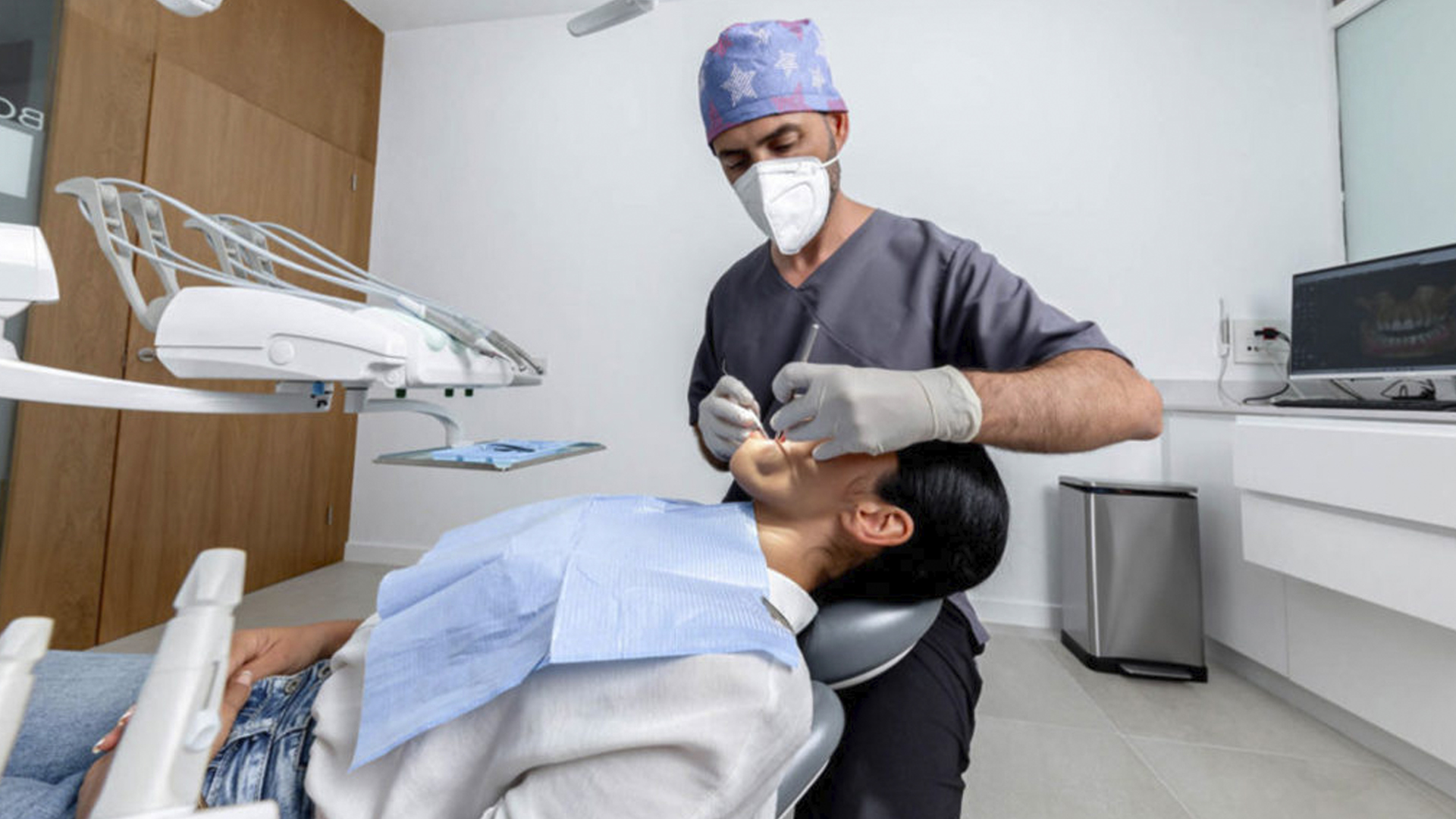
A sudden toothache has a way of taking over everything. It can start as a dull pressure while you are driving along the 101, then sharpen into a throbbing pain by dinner. Sometimes it wakes people at 2 a.m. With a heartbeat in the jaw, a swollen cheek, or a strange sense that one tooth is being pushed upward from the inside. When that happens, the question is no longer whether dental care is necessary. The question becomes how quickly you can get the right care, and whether the situation can safely wait until morning.
For patients looking for an Emergency Dentist Ventura residents can rely on, the real challenge is separating a true dental emergency from a painful problem that feels urgent but may be manageable for a short window. That distinction matters. Some conditions respond well to prompt next day treatment. Others need same day attention because infection, trauma, or swelling can escalate faster than people expect.
Painful pressure and sudden toothaches often point to inflammation deep inside the tooth, around the root, or in the surrounding gum and bone. Those are not problems to ignore. Teeth rarely hurt intensely without a reason, and the body is usually giving a fairly direct warning.
Why pressure in a tooth feels so different from ordinary sensitivity
Many people describe emergency dental pain in one of two ways. The first is sharp and electric, often triggered by cold, sweets, or biting. The second is heavier and more alarming, a deep pressure that seems to build from inside the tooth or jaw. That pressure sensation tends to worry people more, and for good reason.
Inside every tooth is a small chamber containing the pulp, where the nerve and blood supply live. When decay reaches that inner tissue, or when a crack lets bacteria in, inflammation follows. The problem is that the pulp sits inside rigid walls of dentin and enamel. It has almost nowhere to swell. Pressure builds in a confined space, which is why people describe the pain as relentless, throbbing, and almost impossible to distract from.
Pressure can also come from infection at the root tip, gum abscesses, food trapped beneath inflamed gum tissue, or sinus issues affecting upper back teeth. The location matters. Upper molars sit close to the sinus floor, so patients sometimes swear they have a sinus problem when the source is actually dental, and the reverse happens too. A trained exam, x rays when appropriate, and percussion testing usually sort this out quickly.
One detail experienced clinicians pay attention to is whether the pain changes with body position. A tooth that throbs more when lying down often signals increased pulpal pressure or an advancing infection. It is not a diagnostic rule by itself, but it is a pattern many patients report before root canal treatment or emergency drainage.
What usually causes a sudden toothache
A sudden toothache often feels mysterious because the pain seems to arrive out of nowhere. In practice, it usually has been developing quietly for weeks or months. The decay may have been shallow and symptom free until it crossed into the nerve. A small crack may have spread after one hard bite on ice or a nut. A filling that seemed fine may have loosened just enough for bacteria to creep underneath.
The most common causes include untreated cavities, fractured teeth, infected pulp, gum infections, erupting wisdom teeth, and trauma from grinding or a recent blow to the mouth. Sometimes a tooth with an old large filling simply reaches the end of what the remaining structure can tolerate. It does not have to look dramatic from the outside to hurt severely.
Dental pressure is also common when infection has moved beyond the tooth into the ligament and bone around the root. Patients often say, “It feels taller than the other teeth,” or “I cannot bite on that side.” That sensation is classic. The ligament around the root gets inflamed, and even light chewing can feel like stepping on a bruise.
Signs you should treat as urgent
Not every toothache needs a middle of the night visit, but certain symptoms should move you to the front https://blogfreely.net/freadhbfwo/how-to-reduce-risk-before-you-need-an-emergency-dentist-ventura of the line. Delay can mean more pain, a more complicated procedure, or a higher chance of losing the tooth.
- Swelling in the gums, face, or jaw, especially if it is spreading
- Fever, foul taste, or drainage near the painful tooth
- Pain so intense that sleep, eating, or speaking becomes difficult
- A broken or knocked out tooth after trauma
- Trouble swallowing, opening the mouth, or breathing normally
That last point is particularly important. Dental infections can sometimes spread into deeper facial spaces. It is not the most common outcome, but when swelling affects breathing or swallowing, it stops being a routine dental issue and becomes an emergency that may require hospital care.
What an emergency dentist is trying to determine right away
When you arrive for urgent care, the first task is not simply to stop pain, though that is a major goal. The first task is to figure out whether the tooth is inflamed, infected, cracked, loose, or non restorable, and whether the surrounding tissues are involved.
A good emergency assessment tends to focus on a few practical questions. Is the nerve still alive, inflamed beyond recovery, or dead and infected? Is the pain coming from one specific tooth or being referred from somewhere nearby? Is there swelling that needs drainage? Can the tooth be stabilized with treatment such as a filling, crown repair, or root canal, or is extraction the safer path?
This is where experience matters. Two patients can both report “pressure and pain,” yet one may need a bite adjustment and a temporary sedative filling, while the other needs immediate endodontic treatment. It is easy for non dental professionals to underestimate how different these situations are beneath the surface.
The difference between pressure from infection and pressure from a bite problem
Pressure does not always mean infection. A high filling, nighttime clenching, or a shifted bite after recent dental work can leave one tooth feeling sore and elevated. In those cases, the discomfort usually worsens when biting but may not throb on its own. The gum and cheek often look normal. The tooth may be tender to tapping because the ligament is bruised.
An infected tooth tends to tell a broader story. The pain can throb without stimulation. Heat may intensify it. The area may feel warm or swollen. Sometimes there is a small pimple on the gum that drains intermittently, giving temporary relief and a bad taste. Patients also report that over the counter pain medicine barely touches it, or helps for only a short time.
Those distinctions are useful, but they are not perfect. A cracked tooth can mimic both patterns. That is why self diagnosis often goes wrong. People commonly assume severe pain means extraction is inevitable, yet many painful teeth are saved. Others hope it is “just sensitivity,” even when the nerve has already died and infection is spreading below the gumline.
What to do before you can be seen
The gap between symptoms starting and getting into the chair can feel long, especially if pain flares in the evening or over a weekend. A few simple steps can prevent the situation from getting worse while you arrange care with an Emergency Dentist Ventura office.
- Rinse gently with warm salt water and keep the area clean
- Use a cold compress on the outside of the face if swelling is present
- Take over the counter pain medication only as directed on the label, unless your physician has told you otherwise
- Avoid very hot, very cold, sugary, or hard foods on the painful side
- Do not place aspirin on the gum or tooth
That last habit still shows up surprisingly often. Aspirin belongs in the stomach, not against soft tissue. Held on the gum, it can cause a chemical burn and add one more problem to an already painful mouth.
If a crown has fallen off, keep it and bring it with you. If a piece of tooth broke, save that too if possible. If a permanent tooth has been knocked out completely, time matters a great deal. Handle it by the crown, not the root, and keep it moist in milk or saliva while you seek immediate care. Reimplantation success drops as the dry time increases.
What treatment might look like in a real emergency visit
Emergency dental care is not one single procedure. It is a category of care built around stabilizing the problem, relieving pain, and protecting long term outcomes.
For a deep cavity that has reached the nerve, treatment may involve pulpal medication, opening the tooth to relieve pressure, or beginning root canal therapy. If there is an abscess, the dentist may drain the infection when appropriate, prescribe medication when clinically indicated, and plan follow up care to remove the source. If a filling or crown has failed but the nerve is healthy, the solution may be far simpler, rebuilding the tooth and sealing it before bacteria gain access to the pulp.
There are also cases where extraction is the right choice. This is most common when the tooth is fractured below the gumline, badly decayed beyond repair, or compromised by severe periodontal disease. Even then, emergency care is not just about removal. It is also about protecting bone, controlling infection, and discussing what comes next so the patient is not left with pain solved but function ignored.
One practical truth patients appreciate hearing is that the emergency visit may be definitive or it may be the first stage. Sometimes the dentist can fully treat the problem that day. Other times the immediate goal is to calm the tooth, reduce bacterial pressure, and get you comfortable enough to return for the final procedure under better conditions.
Why antibiotics are not a substitute for dental treatment
People often ask for antibiotics first, especially when they are worried about cost, time, or a busy schedule. It is understandable, but antibiotics do not fix the mechanical or structural source of a toothache. They cannot remove decay, seal a crack, complete a root canal, or extract an infected tooth.
In some cases they are appropriate, especially when there is facial swelling, fever, or evidence the infection has spread beyond the tooth itself. In many localized toothaches, though, antibiotics alone offer little benefit. The pain source remains trapped inside the tooth or around the root, and symptoms often return as soon as the medication ends.
Dentists who handle emergencies regularly are careful about this because unnecessary antibiotics carry real downsides, including stomach upset, allergic reactions, and contribution to resistance. Good care means using them when the clinical picture supports it, not reflexively.
The Ventura factor, timing and access matter
Living in Ventura has its own rhythms. Beach weather, outdoor sports, commuting, and family schedules all affect when dental emergencies surface and how quickly people act on them. A surfing accident, an elbow during a pickup basketball game, a child falling off a scooter, or a cracked molar that chooses Friday afternoon to become unbearable, these are familiar scenarios in coastal communities.
That is one reason access to an Emergency Dentist Ventura patients can reach without a maze of delays matters so much. Dental pain tends to worsen outside convenient business hours. Offices that triage efficiently, reserve space for urgent cases, and give clear home care instructions before the visit often make a major difference in outcomes and patient stress.
Patients usually remember two things from an emergency dental experience. First, how quickly someone took the pain seriously. Second, whether they left understanding what happened and what the next step would be. Technical skill matters most, of course, but communication matters more than people realize when someone is frightened, swollen, and running on little sleep.
Painful pressure in children needs a slightly different lens
Children do not always describe dental pain accurately. They might say the whole side of the face hurts when one molar is the problem. They may stop chewing, become irritable, or wake at night without ever using the word toothache. Swelling, fever, and sensitivity to biting still matter, but behavior changes are often the first clue.
A child with facial swelling or trauma to a permanent tooth should be seen promptly. Baby teeth can have emergencies too, especially when infection threatens the developing permanent tooth underneath. Parents sometimes assume a primary tooth does not need urgent care because it will eventually fall out anyway. That can be a costly assumption if infection spreads or a child begins avoiding food because chewing hurts.
When the pain comes and goes, do not assume the problem is gone
One of the more deceptive patterns in dentistry is pain that suddenly improves. Patients are relieved and often cancel the appointment they made during the worst of it. Unfortunately, a tooth can stop hurting because the nerve has died, not because it has healed. The pressure may decrease temporarily, only to return later as infection builds around the root.
This pattern is especially common with deep decay. A few nights of severe sensitivity to cold and sweets may progress to spontaneous throbbing, then to an eerie quiet period. Days or weeks later, the patient notices swelling, pain on biting, or a bump on the gum. By then the treatment is often more involved than it would have been earlier.
That is why clinical judgment favors evaluating sudden severe pain even if it fades. Teeth do not regenerate in the way a cut finger does. When they send warning signals, those signals deserve attention.
Choosing the right emergency dental office
The best emergency dental care is not necessarily the flashiest. It is organized, responsive, and honest about what can be done now versus later. You want an office that asks the right screening questions, has the diagnostic tools to identify the source quickly, and can explain options in plain language.
A reliable team will tell you if the problem is straightforward or if it sits in a gray area. They will discuss trade offs. Saving a tooth with root canal therapy and a crown may be ideal in one case, while extraction may be the safer or more economical choice in another. There is no one size fits all answer, and patients deserve that candor.
It also helps when the office gives specific aftercare guidance rather than vague reassurance. Knowing what swelling is expected, how long numbness should last, when to eat, and what signs mean you should call back can spare a lot of unnecessary anxiety.
The bigger cost of waiting
Most people do not delay emergency dental care because they are careless. They delay because life is busy, pain is unpredictable, or they hope the problem will settle. But from a practical standpoint, waiting usually increases cost in one of three ways. The treatment becomes more complex, time away from work grows longer, or the chance of losing the tooth rises.
A small cavity fixed early might be a routine filling. The same tooth six months later can require root canal treatment and a crown. If the crack spreads below the gumline, the tooth may not be savable at all. That is the frustrating part of dental emergencies. They often start with a window where intervention is simpler, then tip into a category where biology gives fewer options.
Painful pressure and sudden toothaches are rarely subtle, and that is useful. They are often the mouth’s blunt way of demanding attention. The right response is not panic, but prompt, informed action. When you can connect quickly with an Emergency Dentist Ventura patients trust, you give yourself the best chance to stop the pain, limit complications, and keep a short term crisis from becoming a long term problem.
Avra Dental
1708 S Victoria Ave B, Ventura, CA 93003, United States
Phone: +1 805-765-3206
FAQ About Emergency Dentist Ventura
Can the ER do anything for tooth pain?
An emergency department can assess serious symptoms and provide temporary relief, but definitive dental treatment usually requires a dentist. Trouble breathing or swallowing, uncontrolled bleeding, or swelling spreading into the neck requires emergency medical care.
What do I do if I have a dental emergency and no dentist?
Contact a local emergency dental practice promptly, explain your symptoms, and ask about the earliest available assessment. Avra Dental provides emergency dentistry in Ventura; call to confirm availability. If you have life-threatening symptoms or a serious facial injury, go to an emergency department or call 911.
What do I do if tooth pain is unbearable?
Seek urgent dental assessment rather than waiting for the pain to pass. While arranging care, gently rinse with warm water and avoid placing aspirin directly on the tooth or gums. Severe pain with trouble breathing or swallowing, rapidly spreading swelling, or uncontrolled bleeding needs immediate emergency medical care.